Fashion and sustainability are increasingly intertwined as the industry confronts its environmental impact and strives towards a greener future. From reducing carbon footprints to promoting ethical practices throughout the supply chain, fashion brands and consumers alike are exploring innovative strategies to mitigate environmental harm and promote sustainable practices. Sustainable Materials and Responsible Sourcing A fundamental strategy for achieving sustainability in fashion involves adopting sustainable materials and embracing responsible sourcing practices. Traditionally, the fashion industry has relied heavily on resource-intensive materials such as conventional cotton and synthetic fibers derived from petroleum. However, these materials contribute significantly to greenhouse gas emissions, water pollution, and waste. To address these challenges, brands are increasingly turning to eco-friendly alternatives such as organic cotton, hemp, bamboo, and recycled fibers. Organic cotton, for example, is grown without synthetic pesticides and fertilizers, reducing environmental impact and promoting soil health. Recycled polyester and nylon utilize post-consumer waste, such as plastic bottles and fishing nets, diverting materials from landfills and reducing the need for virgin resources. Responsible sourcing extends beyond materials to encompass ethical practices throughout the supply chain. Brands are partnering with suppliers and manufacturers committed to fair labor practices, safe working conditions, and living wages for workers. Certification programs such as Fair Trade and Global Organic Textile Standard (GOTS) provide assurance to consumers that products are produced ethically and sustainably, from raw material sourcing to final production. Circular Fashion and Extended Producer Responsibility Circular fashion represents a paradigm shift towards a regenerative and closed-loop system, where garments are designed to be reused, repaired, and recycled. The concept aims to minimize waste and maximize the lifespan of clothing, reducing the industry’s environmental footprint. Key strategies within circular fashion include: Designing for Durability and Longevity: Fashion brands are prioritizing quality craftsmanship and timeless designs that withstand trends and frequent wear. By creating durable garments, brands encourage consumers to invest in pieces that last, reducing the frequency of purchases and extending the lifecycle of clothing. Promoting Clothing Rental and Secondhand Markets: Rental platforms and resale marketplaces are gaining popularity, offering consumers access to designer clothing at a fraction of the cost. Renting reduces the demand for new production and lowers carbon emissions associated with transportation and packaging. Secondhand shopping not only extends the lifespan of garments but also promotes a more sustainable consumer behavior. Implementing Take-Back Programs and Recycling Initiatives: Brands are implementing take-back programs and recycling initiatives to facilitate the return of old garments for recycling or upcycling. Through partnerships with recycling facilities and innovative technologies, textiles can be repurposed into new fabrics or materials, closing the loop on waste and reducing environmental impact. Extended Producer Responsibility (EPR) is another critical component of circular fashion, emphasizing the responsibility of brands to manage the environmental impact of their products throughout their entire lifecycle. By taking accountability for waste management, resource efficiency, and product end-of-life, brands can minimize their ecological footprint and contribute to a more sustainable fashion industry. Driving Change Through Consumer Awareness and Education Central to the transition towards sustainable fashion is consumer awareness and education. As consumers become more informed about the environmental and social implications of their purchasing decisions, they are demanding transparency and accountability from brands. Fashion journalism, social media influencers, and advocacy organizations play crucial roles in educating consumers about sustainable fashion practices and promoting conscious consumption habits. Additionally, initiatives such as Fashion Revolution Week and Sustainable Fashion Day raise awareness about the environmental and social impacts of the fashion industry. These campaigns encourage consumers to ask #WhoMadeMyClothes and advocate for greater transparency in supply chains, empowering them to make ethical purchasing decisions that align with their values. By fostering a culture of sustainability and accountability, fashion brands and consumers can collaborate to drive meaningful change towards a greener future. From embracing sustainable materials and responsible sourcing to adopting circular fashion principles and promoting consumer awareness, the fashion industry has the opportunity to lead by example and inspire positive environmental stewardship. Together, stakeholders can work towards a more sustainable and equitable fashion ecosystem that prioritizes the well-being of people and the planet for generations to come.

Fashion Journalism in the Digital Age: Navigating New Media
Fashion journalism has undergone a profound transformation in the digital age, reshaping how trends are reported, brands are covered, and consumer engagement is fostered. As traditional print media evolves alongside the rapid growth of online platforms and social media, fashion journalists are navigating a landscape that demands adaptability, innovation, and a keen understanding of digital communication strategies. The Shift Towards Digital Platforms: Expanding Reach and Accessibility In the digital age, fashion journalism has expanded beyond the confines of traditional print publications to encompass a diverse array of online platforms. Fashion blogs, digital magazines, social media channels, and multimedia websites now serve as primary outlets for reporting on trends, reviewing collections, and providing style inspiration. This shift has democratized access to fashion information, allowing consumers worldwide to engage with industry news and insights in real-time. Digital platforms offer immediacy and interactivity, enabling fashion journalists to publish breaking news, live coverage of runway shows, and in-depth analysis of fashion trends with unprecedented speed. Social media platforms such as Instagram, Twitter, and TikTok have emerged as powerful tools for sharing visual content, connecting with audiences, and amplifying fashion journalism’s influence. Adapting to Changing Reader Preferences and Consumption Habits As consumer behavior shifts towards digital consumption, fashion journalists must adapt their storytelling techniques to captivate and retain online audiences. Visual storytelling through high-quality images, videos, and infographics has become essential for engaging readers and conveying fashion narratives effectively. Multimedia formats allow journalists to convey the atmosphere of fashion events, showcase designer collections, and explore the cultural significance of fashion trends in dynamic ways. Moreover, the rise of mobile technology has transformed how audiences consume fashion journalism. Mobile-responsive websites and apps enable readers to access content anytime, anywhere, enhancing the accessibility and immediacy of fashion news and insights. Journalists must optimize content for mobile devices, ensuring seamless navigation and engaging user experiences that cater to the preferences of digital-savvy audiences. Navigating Ethical Challenges and Maintaining Credibility While digital platforms offer unprecedented opportunities for fashion journalists to reach global audiences, they also present ethical challenges related to transparency, integrity, and brand partnerships. Native advertising and sponsored content have become common practices, blurring the line between editorial content and paid promotions. Journalists must uphold journalistic integrity by clearly disclosing sponsored collaborations and maintaining editorial independence in their reporting. Navigating the influence of social media influencers and bloggers poses another ethical consideration for fashion journalists. Collaborations between brands and influencers can shape consumer perceptions and drive purchasing decisions, influencing the editorial landscape. Journalists must critically assess the authenticity and credibility of digital influencers’ endorsements, ensuring that their reporting remains unbiased and objective. Maintaining credibility in the digital age requires transparency in sourcing, fact-checking, and attributing information. Journalists must uphold rigorous standards of accuracy and accountability to build trust with readers and differentiate their content from misinformation and clickbait. By prioritizing ethical journalism practices, fashion journalists can preserve credibility and uphold the integrity of their profession amidst the rapid evolution of digital media. Embracing Innovation and Future Trends Looking ahead, the future of fashion journalism in the digital age promises continued innovation and evolution. Emerging technologies such as augmented reality (AR), virtual reality (VR), and artificial intelligence (AI) are poised to revolutionize how fashion stories are told and experienced. AR-enabled virtual fitting rooms, immersive VR runway experiences, and AI-driven content personalization represent exciting opportunities for journalists to engage audiences in new and innovative ways. Additionally, the growing emphasis on sustainability and ethical fashion presents opportunities for fashion journalists to drive meaningful conversations and advocate for industry-wide change. Reporting on sustainable practices, circular fashion initiatives, and ethical sourcing can educate consumers and empower them to make informed purchasing decisions that align with their values. In conclusion, fashion journalism in the digital age is defined by its adaptability, innovation, and commitment to ethical storytelling. By embracing digital platforms, leveraging multimedia storytelling techniques, and upholding journalistic integrity, fashion journalists can navigate the evolving media landscape and engage global audiences with compelling fashion narratives. As technology continues to evolve and consumer preferences shift, journalists must remain agile, proactive, and forward-thinking in their approach to reporting on the dynamic and ever-evolving world of fashion.

Beyond Beauty: The Role of Diversity in Fashion Advertising
In recent years, the fashion industry has experienced a significant shift towards embracing diversity in its advertising campaigns. Beyond merely showcasing clothing and accessories, fashion advertising has increasingly become a platform for promoting inclusivity, celebrating individuality, and challenging traditional beauty standards. This evolution reflects a broader societal change where consumers demand representation and authenticity in the media they consume. Here, we explore the multifaceted role of diversity in fashion advertising and its impact on both the industry and society at large. Representation Matters: Reflecting Real-World Diversity One of the most profound impacts of diversity in fashion advertising is its ability to mirror the diversity found in society. Historically, fashion advertising has often been criticized for its lack of inclusivity, predominantly featuring models who fit a narrow definition of beauty—typically young, thin, and predominantly white. This limited representation not only alienated many consumers but also perpetuated unrealistic beauty ideals. Today, however, there is a growing recognition that diversity in advertising is not just about ticking boxes but about authentically representing the diverse identities and experiences of consumers. Brands are increasingly casting models of various ethnicities, body shapes, ages, genders, and abilities to better reflect the reality of their customer base. This inclusive approach not only enhances brand credibility but also fosters a sense of belonging and empowerment among diverse communities. By showcasing individuals from different backgrounds and walks of life, fashion advertising challenges stereotypes and broadens perceptions of beauty. It sends a powerful message that beauty comes in all shapes, sizes, colors, and abilities, encouraging consumers to embrace their own unique traits and celebrate diversity in others. This shift towards inclusive representation is not only socially responsible but also strategically beneficial, as brands that authentically embrace diversity are often perceived as more progressive and forward-thinking. Driving Cultural Change: Promoting Empowerment and Inclusivity Beyond reflecting diversity, fashion advertising has the power to drive cultural change and promote social issues. Campaigns that celebrate diversity often go beyond showcasing products to advocate for social justice, gender equality, and LGBTQ+ rights, among other causes. By aligning themselves with meaningful social issues, brands can build stronger emotional connections with consumers who share their values and beliefs. For example, campaigns featuring models of different ethnicities and body types can challenge societal norms and promote body positivity. By showcasing individuals with disabilities or chronic illnesses, brands can advocate for inclusivity and accessibility in fashion. Campaigns that celebrate gender fluidity and non-binary identities contribute to greater visibility and acceptance within the fashion industry and society as a whole. Moreover, diverse representation in fashion advertising can have a profound impact on self-esteem and mental health. Seeing individuals who look like them represented positively in media can empower individuals from marginalized communities and boost their self-confidence. It sends a message that their identities and experiences are valued and worthy of recognition, contributing to a more inclusive and equitable society. Challenges and Opportunities for the Fashion Industry While progress has been made, the fashion industry still faces challenges in achieving true diversity and inclusivity in advertising. Critics argue that some brands engage in tokenism—superficially including diversity without addressing systemic issues or fostering genuine inclusivity. Others point out the need for greater diversity behind the scenes, including in creative and decision-making roles, to ensure that diverse perspectives are authentically represented in advertising campaigns. However, these challenges also present opportunities for innovation and leadership within the industry. Brands that prioritize diversity and inclusivity not only enhance their brand reputation but also tap into a growing market of diverse consumers who seek authenticity and representation. By investing in inclusive advertising campaigns and diverse talent pipelines, fashion brands can set new standards for inclusivity and contribute to positive social change. In conclusion, diversity in fashion advertising is more than a trend—it is a powerful catalyst for cultural change, empowerment, and inclusivity. By authentically representing the diverse identities and experiences of consumers, fashion brands can challenge stereotypes, promote acceptance, and drive meaningful social impact. As the industry continues to evolve, embracing diversity in advertising not only reflects changing societal values but also positions brands as leaders in promoting authenticity, representation, and equality. By celebrating diversity beyond beauty, fashion advertising has the potential to shape a more inclusive and equitable future for all.

The Evolution of Sustainable Fashion: Trends for the Next Decade
In recent years, the fashion industry has undergone a significant transformation, driven by an increasing awareness of environmental and social issues. This evolution towards sustainability has been propelled by consumer demand for ethically produced clothing and accessories, as well as by regulatory pressures and the efforts of forward-thinking brands to adopt more eco-friendly practices. As we look ahead to the next decade, several key trends are likely to shape the future of sustainable fashion. One of the most prominent trends in sustainable fashion is the shift towards circularity. Traditional fashion production has long been characterized by a linear model, where raw materials are extracted, processed into garments, and eventually discarded as waste. In contrast, a circular economy aims to eliminate waste and keep products and materials in use for as long as possible. This concept is gaining traction within the industry, with brands exploring innovative ways to design products that can be easily disassembled and recycled at the end of their life cycle. For example, some companies are experimenting with biodegradable textiles or exploring new methods of garment recycling to reduce their environmental footprint. Another key trend in sustainable fashion is the emphasis on transparency and ethical sourcing. Consumers are increasingly interested in knowing where and how their clothes are made, and they are demanding greater transparency from brands about their supply chains. This has led to a rise in certifications and labeling schemes that verify the sustainability credentials of products, such as organic certification or fair trade labels. Additionally, some companies are embracing blockchain technology as a way to provide consumers with real-time information about the origins of their clothing, ensuring that garments are produced under ethical working conditions and using environmentally friendly practices. Collaboration and innovation are also shaping the future of sustainable fashion. As the industry grapples with complex challenges such as water scarcity, pollution, and waste management, collaboration between stakeholders is becoming increasingly important. This includes partnerships between brands, suppliers, governments, and non-profit organizations to develop new solutions and share best practices. Innovation in materials and manufacturing processes is also critical, with companies investing in research and development to create sustainable alternatives to conventional textiles and chemicals. For example, advancements in bio-based materials and closed-loop manufacturing techniques are paving the way for a more sustainable fashion industry. The concept of “slow fashion” is gaining momentum as a counterpoint to fast fashion. Fast fashion, characterized by rapid production cycles and low-cost garments, has been criticized for its negative impact on the environment and labor conditions. In contrast, slow fashion promotes a more thoughtful and deliberate approach to consumption, encouraging consumers to buy less and invest in high-quality pieces that are designed to last. This trend towards mindful consumption is supported by a growing awareness of the true cost of fashion, including its social and environmental implications. In addition to these trends, the role of consumers in driving change within the fashion industry cannot be overstated. As awareness of sustainability issues continues to grow, consumers are becoming more informed and empowered to make environmentally conscious choices. This has led to a rise in demand for sustainable alternatives and a shift towards more responsible consumption habits. Brands that prioritize transparency, ethical production, and environmental stewardship are increasingly gaining favor with consumers who are seeking to align their values with their purchasing decisions. Looking ahead to the next decade, the evolution of sustainable fashion is likely to be characterized by continued innovation, collaboration, and a commitment to transparency and ethical practices. As stakeholders across the industry work together to address environmental and social challenges, the fashion industry has the opportunity to redefine itself in a way that is both stylish and sustainable. By embracing these trends and harnessing the power of consumer demand, the fashion industry can pave the way for a more sustainable future. In conclusion, the evolution of sustainable fashion over the next decade will be driven by a commitment to circularity, transparency, collaboration, and innovation. As consumers increasingly prioritize ethical and environmentally friendly products, the fashion industry has an opportunity to lead the way towards a more sustainable future. By embracing these trends and working together to overcome challenges, stakeholders across the industry can create a fashion ecosystem that is both stylish and sustainable for generations to come.
The Rise of Gender-Neutral Fashion: Redefining Traditional Norms
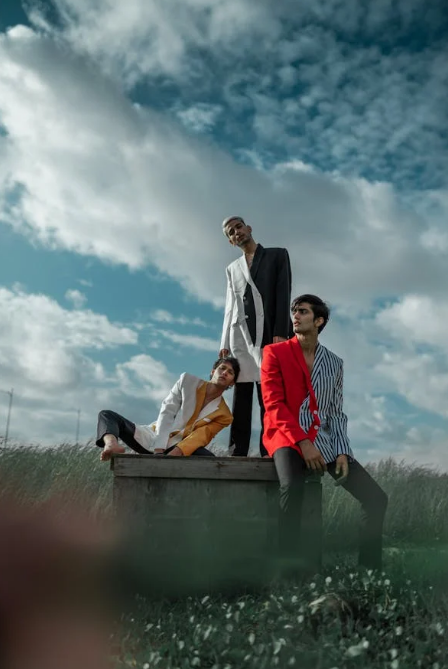
In recent years, there has been a noticeable cultural shift towards embracing gender-neutral fashion as a means of redefining traditional norms and promoting inclusivity within the clothing industry. This movement challenges the binary distinctions of male and female attire, advocating for garments that transcend gender and allow individuals to express themselves authentically without conforming to societal expectations. As gender identity becomes increasingly recognized as fluid and diverse, gender-neutral fashion emerges as a progressive force reshaping the landscape of style and self-expression. Breaking Down Binary Barriers: The Evolution of Gender-Neutral Fashion Gender-neutral fashion, also known as unisex or genderless fashion, encompasses clothing designs and styles that are not explicitly aligned with a specific gender. While historically fashion has been segregated into distinct men’s and women’s categories, often characterized by rigid norms and stereotypes, gender-neutral fashion seeks to blur these boundaries. It embraces versatility and inclusivity, offering garments that can be worn by individuals of any gender identity. The evolution of gender-neutral fashion can be traced back to movements advocating for gender equality and LGBTQ+ rights. As society becomes more accepting and understanding of diverse gender identities, there is a growing demand for clothing that reflects and respects this diversity. Designers and brands are responding by creating collections that prioritize comfort, fit, and aesthetic appeal over traditional gender norms. Design Philosophy and Aesthetic Appeal Central to the ethos of gender-neutral fashion is a design philosophy that emphasizes simplicity, minimalism, and functionality. Garments often feature clean lines, neutral colors, and timeless silhouettes that appeal to a broad spectrum of wearers. Key pieces include oversized shirts, tailored trousers, relaxed-fit blazers, and versatile outerwear—all designed to be worn interchangeably by individuals regardless of their gender expression. The aesthetic appeal of gender-neutral fashion lies in its ability to transcend fleeting trends and focus on enduring style. By prioritizing quality craftsmanship and versatile designs, gender-neutral clothing encourages consumers to invest in pieces that can be worn across seasons and occasions, reducing the need for frequent wardrobe updates. This sustainable approach not only aligns with ethical fashion practices but also appeals to eco-conscious consumers seeking longevity and value in their clothing choices. Cultural Impact and Social Significance Beyond the realm of fashion, gender-neutral clothing holds profound cultural and social significance. It challenges entrenched gender stereotypes and norms, promoting a more inclusive and equitable society where individuals are free to express themselves authentically. By embracing gender-neutral fashion, consumers can reject outdated notions of masculinity and femininity imposed by societal expectations, paving the way for greater acceptance and understanding of diverse gender identities. Moreover, gender-neutral fashion intersects with broader conversations about identity, representation, and empowerment. It provides a platform for individuals to assert their identity beyond the confines of gender binaries, fostering a sense of belonging and visibility within the fashion industry and beyond. Retailers and brands that champion gender-neutral clothing contribute to a more diverse and progressive cultural landscape, where personal style becomes a form of self-expression and empowerment. Challenges and Future Directions While the rise of gender-neutral fashion represents a positive step towards inclusivity and diversity, the movement is not without its challenges. Critics argue that mainstream adoption of gender-neutral clothing remains limited, with many retailers and designers hesitant to fully embrace non-binary fashion due to perceived market risks or lack of understanding. Additionally, sizing and fit issues can pose barriers for individuals seeking gender-neutral options that accommodate diverse body shapes and proportions. However, these challenges also present opportunities for innovation and growth within the fashion industry. As consumer demand for gender-neutral clothing continues to rise, brands have the chance to lead by example, expanding their offerings and advocating for greater inclusivity in design and marketing practices. Education and awareness campaigns can also play a crucial role in dismantling misconceptions and promoting acceptance of gender diversity in fashion. Looking ahead, the future of gender-neutral fashion holds promise as a catalyst for social change and creative expression. By embracing diversity in design, representation, and marketing, the fashion industry can foster a more inclusive and equitable environment where individuals of all genders feel valued and respected. As attitudes towards gender continue to evolve, gender-neutral fashion stands at the forefront of redefining traditional norms and paving the way towards a more progressive and inclusive future.
From Runway to Street: How High Fashion Influences Everyday Style
Fashion has long been a dynamic force, influencing not only the clothes we wear but also the way we express ourselves and interact with the world around us. High fashion, particularly showcased on runways by renowned designers, plays a crucial role in shaping trends that eventually trickle down to everyday style. This phenomenon highlights the intricate relationship between haute couture and street fashion, illustrating how ideas conceived in the rarefied atmosphere of high-end fashion houses find their way into the closets of everyday individuals. At its core, high fashion serves as a laboratory of creativity and innovation. Designers use runway shows not only to showcase their latest collections but also to push the boundaries of fashion itself. These collections often feature avant-garde designs, unconventional materials, and experimental silhouettes that capture the imagination of fashion enthusiasts and industry insiders alike. While some runway looks may seem impractical or outlandish at first glance, they serve a vital purpose in setting the tone for future trends. One way in which high fashion influences everyday style is through the reinterpretation of runway trends by mainstream retailers and brands. As runway collections are unveiled each season, fashion editors and trend forecasters meticulously analyze the key themes, colors, and silhouettes that emerge. These insights are then translated into more accessible and commercially viable designs that are produced on a larger scale. Fast fashion retailers, in particular, excel at quickly adapting runway trends into affordable clothing and accessories that appeal to a broader audience. For example, if a designer introduces a new color palette or a distinctive print in their runway collection, similar hues and patterns may soon appear in mass-market clothing lines found in stores worldwide. This process of trend diffusion allows individuals to incorporate elements of high fashion into their everyday wardrobes, whether through statement pieces like bold coats or accessories like handbags and shoes that reflect current runway trends. Moreover, high fashion shapes everyday style through its influence on cultural and societal trends. Runway shows often serve as a platform for designers to make statements about broader social issues, celebrate diversity, or challenge traditional notions of beauty. These messages resonate beyond the fashion industry, influencing public discourse and shaping cultural attitudes. For instance, a runway collection that celebrates inclusivity by featuring models of different ages, sizes, and backgrounds can inspire a more diverse representation of beauty in mainstream media and everyday fashion choices. Furthermore, high fashion sets aspirational standards that individuals may strive to emulate in their personal style. While not everyone can afford couture garments or designer labels, the aesthetic ideals and craftsmanship associated with high fashion can inspire individuals to experiment with their style and invest in quality pieces that reflect their tastes and values. This aspirational aspect of high fashion encourages creativity and self-expression, as individuals interpret runway trends in ways that align with their unique identities and lifestyles. The influence of high fashion on everyday style is also evident in the realm of street fashion and subcultures. Street style photographers capture the eclectic and often boundary-pushing outfits worn by fashion influencers, celebrities, and everyday individuals outside of fashion shows. These street style images circulate widely on social media platforms, where they can reach millions of viewers and inspire trends in real-time. In this way, street fashion serves as a barometer of cultural zeitgeist, reflecting how high fashion permeates everyday life and influences global style trends. In conclusion, the relationship between high fashion and everyday style is complex and symbiotic, with each influencing and inspiring the other in myriad ways. While haute couture collections set the stage for innovation and creativity in fashion design, everyday individuals play a crucial role in interpreting and personalizing these trends to suit their own tastes and lifestyles. As the fashion industry continues to evolve, the interplay between high fashion and everyday style will likely remain a dynamic force, shaping trends and influencing cultural attitudes for years to come.

The Business of Fashion: Entrepreneurship in a Competitive Industry
The fashion industry is not only a realm of creativity and innovation but also a highly competitive arena where entrepreneurship plays a pivotal role in shaping trends, driving economic growth, and defining cultural narratives. Aspiring fashion entrepreneurs navigate a landscape characterized by rapid changes in consumer preferences, technological advancements, and global market dynamics, requiring a unique blend of vision, resilience, and business acumen to succeed. From emerging designers launching their own labels to established brands expanding into new markets, entrepreneurship in the business of fashion encompasses a diverse range of ventures that contribute to the industry’s vibrancy and evolution. Central to the success of fashion entrepreneurship is the ability to identify and capitalize on emerging trends and consumer demands. Entrepreneurs must possess a keen understanding of market dynamics, cultural shifts, and consumer behavior to develop products that resonate with their target audience. Whether specializing in haute couture, ready-to-wear, streetwear, or sustainable fashion, successful entrepreneurs align their creative vision with market realities to create compelling brand narratives and distinct identities that set them apart in a crowded marketplace. Moreover, entrepreneurship in the fashion industry requires adept management of supply chains, production processes, and distribution networks to ensure efficiency, quality, and timely delivery of products. From sourcing raw materials and manufacturing garments to logistics and retail operations, entrepreneurs must establish robust systems and partnerships to meet the demands of a global customer base while maintaining cost-effectiveness and sustainability. In addition to creativity and operational prowess, successful fashion entrepreneurs leverage branding, marketing, and digital strategies to build brand awareness, engage consumers, and foster brand loyalty. In an era dominated by social media and digital platforms, effective entrepreneurs harness the power of online communities, influencer partnerships, and e-commerce channels to reach global audiences and drive sales. By curating compelling visual narratives, storytelling campaigns, and immersive brand experiences, entrepreneurs cultivate a loyal customer base and differentiate their brands in a competitive marketplace. Furthermore, entrepreneurship in the fashion industry is characterized by continuous innovation and adaptation to evolving trends, technological advancements, and consumer expectations. Entrepreneurs must remain agile and responsive to changes in fashion cycles, industry regulations, and socio-cultural dynamics to stay ahead of competitors and capitalize on emerging opportunities. Whether embracing sustainable practices, incorporating artificial intelligence in design processes, or pioneering new business models like direct-to-consumer or rental services, forward-thinking entrepreneurs drive industry innovation and shape future trends. The path to success in fashion entrepreneurship is often fraught with challenges, including financial constraints, supply chain disruptions, and intense competition. Entrepreneurs must possess resilience, determination, and a willingness to learn from setbacks and failures to navigate these challenges effectively. Moreover, fostering a supportive network of mentors, industry peers, and strategic partners can provide invaluable guidance, resources, and opportunities for collaboration that accelerate growth and mitigate risks. In conclusion, entrepreneurship in the business of fashion is a dynamic and multifaceted journey characterized by creativity, innovation, and strategic foresight. From launching new brands and pioneering sustainable practices to leveraging digital technologies and adapting to changing consumer preferences, fashion entrepreneurs play a critical role in shaping the industry’s future. By embracing entrepreneurship, individuals not only contribute to economic growth and job creation but also drive cultural discourse, redefine aesthetic standards, and inspire global trends that resonate with diverse audiences worldwide. As the fashion industry continues to evolve, entrepreneurship will remain a cornerstone of its resilience, creativity, and capacity for transformative change.
Crafting Your Signature Style: A Guide to Personal Fashion Expression
Crafting a signature style is more than just following fashion trends—it’s about expressing your unique personality and creating a wardrobe that resonates with who you are. Whether your aesthetic leans towards minimalist sophistication, bohemian flair, or eclectic chic, developing a personal fashion expression involves a thoughtful blend of self-discovery, creativity, and confidence. Here’s a guide to help you navigate the process of crafting your own signature style, one that speaks volumes without saying a word. Understanding Your Style Identity The journey to discovering your signature style begins with introspection. Take the time to assess your preferences, lifestyle, and personality traits. Consider what makes you feel confident and comfortable, whether it’s casual denim and tees or elegant dresses and heels. Reflect on the colors, patterns, and textures that resonate with you the most. Your style should reflect who you are and how you want to present yourself to the world. Experimentation is key in this process. Try different styles, mix and match pieces, and pay attention to how you feel in each outfit. Keep a style journal or mood board to collect inspiration from fashion icons, magazines, and social media. Notice recurring themes or elements that draw you in—these clues will help you define and refine your personal aesthetic. Building a Foundation of Wardrobe Staples Every signature style is built upon a foundation of timeless wardrobe staples. Invest in pieces that are versatile, well-made, and align with your style identity. For example, a well-tailored blazer can elevate any outfit, while a classic white shirt provides a clean canvas for accessorizing. Consider essential items like denim jeans, a little black dress, comfortable yet stylish footwear, and accessories that complement your everyday look. Quality over quantity is essential when curating your wardrobe. Choose pieces that fit well and flatter your body shape. Pay attention to fabric composition and craftsmanship to ensure longevity. A well-chosen wardrobe staple not only withstands trends but also forms the backbone of countless outfit combinations, making dressing effortless and enjoyable. Embracing Color, Texture, and Detail Once you have a foundation of wardrobe staples, express your individuality through color, texture, and thoughtful details. Experiment with different color palettes that complement your skin tone and enhance your mood. Whether you prefer bold hues or subtle neutrals, incorporating color into your wardrobe can make a powerful statement about your style. Texture adds depth and dimension to your outfits. Mix fabrics like silk, cotton, leather, and denim to create visual interest and tactile appeal. Pay attention to details such as embroidery, embellishments, and unique prints that reflect your personality and elevate your ensemble. Accessories play a crucial role in defining your signature style. From statement jewelry and scarves to hats and bags, accessories can transform a simple outfit into a memorable look. Choose pieces that resonate with your aesthetic and experiment with layering and mixing different accessories to create a personalized statement. Cultivating Confidence and Authenticity Above all, cultivating confidence is essential to owning your signature style. Wear clothes that make you feel empowered and comfortable, regardless of current trends. Confidence radiates from within and enhances your overall appearance, making you stand out for all the right reasons. Authenticity is key to maintaining a cohesive and genuine style. Stay true to yourself and your preferences, even as you evolve and refine your fashion choices. Your signature style should evolve with you, reflecting your growth and experiences while remaining true to your core identity. Curating Your Wardrobe with Intention As you refine your signature style, practice mindful consumption and curate your wardrobe with intention. Invest in pieces that align with your style identity and serve multiple purposes in your wardrobe. Consider the sustainability and ethical practices of brands you support, opting for timeless pieces that reduce environmental impact and support fair labor practices. Regularly edit your wardrobe to remove items that no longer align with your style or lifestyle. Donate or consign gently used clothing to give them a new life while making space for new additions that reflect your evolving style journey. In conclusion, crafting your signature style is a journey of self-expression and creativity. By understanding your style identity, building a foundation of wardrobe staples, embracing color and texture, and cultivating confidence and authenticity, you can create a wardrobe that reflects your unique personality and makes a lasting impression. Remember, fashion is not just about what you wear—it’s about how you wear it and the confidence you exude while doing so. Embrace your individuality, experiment with different looks, and enjoy the process of crafting a style that is uniquely yours.
Fashion Psychology: How Clothing Choices Affect Mood and Behavior
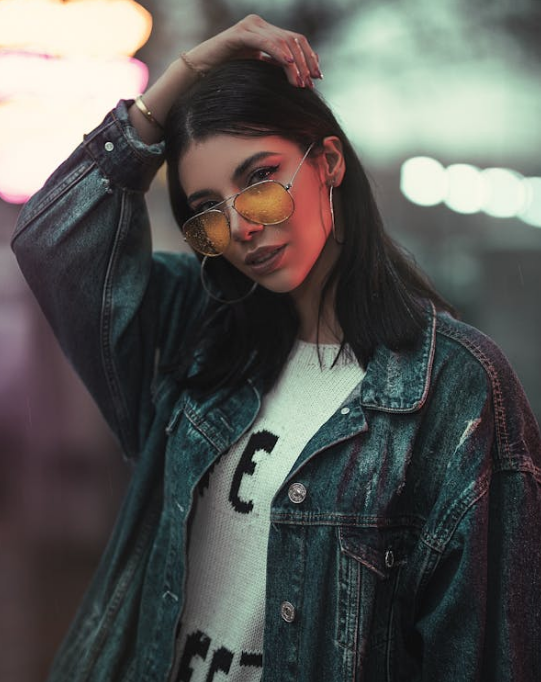
Fashion psychology explores the intricate relationship between clothing choices and their impact on mood, behavior, and psychological well-being. This emerging field of study delves into how what we wear influences not only how others perceive us but also how we perceive ourselves and navigate the world around us. From the psychological effects of color to the phenomenon of “enclothed cognition,” understanding the psychology behind clothing choices offers valuable insights into human behavior and self-expression. One of the key aspects of fashion psychology revolves around the concept of “enclothed cognition,” which suggests that the clothing we wear can influence our cognitive processes and behavior. Research indicates that clothing can affect our mood, confidence levels, and even cognitive abilities. For example, wearing formal attire is often associated with feelings of authority, competence, and professionalism, which can enhance performance in work-related tasks. Conversely, wearing casual or comfortable clothing may promote a more relaxed and laid-back mindset, influencing how we approach social interactions or leisure activities. Color psychology plays a significant role in how clothing choices impact mood and behavior. Colors have the power to evoke specific emotions and perceptions, influencing both the wearer and those around them. For instance, warm colors like red and orange are often associated with energy, passion, and excitement, while cool colors like blue and green can convey calmness, tranquility, and trustworthiness. The choice of color in clothing can therefore influence how individuals are perceived by others and how they feel about themselves, affecting confidence levels and social interactions. Moreover, clothing serves as a form of nonverbal communication, allowing individuals to express their personality, cultural identity, and social status. The way we dress sends subtle cues about our values, interests, and affiliations, shaping first impressions and influencing interpersonal relationships. For example, individuals may use clothing to signal their belonging to a specific subculture or social group, whether through fashion trends, designer labels, or symbolic accessories. These visual markers can foster a sense of belonging and identity within communities, reinforcing social bonds and shared values. Beyond outward perception, fashion psychology also explores the concept of “self-expression through style.” The clothing we choose to wear can reflect our internal states, emotions, and personal narratives. For instance, someone experiencing a period of self-confidence may gravitate towards bold and expressive outfits, whereas someone feeling introspective or reserved may opt for more subdued or understated attire. In this way, clothing becomes a means of self-expression and empowerment, allowing individuals to assert their identity and assert their sense of self in a visually tangible manner. Furthermore, the psychological impact of clothing extends to the concept of “dress for success” and its influence on self-esteem and motivation. Research suggests that wearing clothing that makes us feel empowered and confident can positively impact our mindset and performance. This phenomenon is often observed in professional settings, where dressing appropriately for a job interview or important presentation can boost self-assurance and enhance perceived competence. The psychological benefits of dressing for success highlight the importance of mindful clothing choices in achieving personal and professional goals. In addition to individual psychology, fashion choices also intersect with cultural norms, societal expectations, and gender identity. Clothing can serve as a means of conforming to or challenging social conventions, reflecting broader cultural attitudes and values. For example, the evolution of gender-neutral fashion challenges traditional stereotypes and encourages a more inclusive and fluid expression of identity. Similarly, cultural heritage and traditions influence clothing choices, with attire often serving as a form of cultural preservation and celebration within diverse communities. Moreover, the psychological effects of clothing are not limited to the wearer alone but also extend to how others perceive and interact with individuals based on their attire. Research in social psychology suggests that first impressions are heavily influenced by visual cues, including clothing, grooming, and body language. The “halo effect,” for instance, describes the tendency to attribute positive qualities to individuals based on their appearance, including their clothing choices. As such, fashion psychology underscores the importance of understanding how clothing can shape social dynamics and interpersonal relationships. In conclusion, fashion psychology offers valuable insights into the complex interplay between clothing choices, mood, behavior, and psychological well-being. From the concept of “enclothed cognition” to the influence of color psychology and self-expression through style, clothing serves as a powerful tool for communication, identity formation, and social interaction. By understanding the psychological effects of clothing, individuals can make more informed and intentional fashion choices that align with their personal goals, values, and emotional well-being. As fashion continues to evolve as a form of self-expression and cultural expression, the study of fashion psychology will continue to illuminate the profound impact of clothing on human psychology and society at large.
Cultural Fusion: Global Influences on Contemporary Fashion
Contemporary fashion is increasingly defined by its embrace of diverse cultural influences from around the globe, creating a rich tapestry of styles that transcend borders and celebrate diversity. This phenomenon, known as cultural fusion in fashion, reflects a shift towards inclusivity, creativity, and a global exchange of ideas and traditions. As designers draw inspiration from different cultures, blending traditional elements with modern aesthetics, they not only redefine fashion trends but also promote cross-cultural understanding and appreciation in a globalized world. At the heart of cultural fusion in contemporary fashion lies the exploration and reinterpretation of traditional garments, textiles, and craftsmanship from various cultures. Designers are often inspired by the vibrant colors, intricate patterns, and unique techniques found in traditional clothing from regions such as Asia, Africa, Latin America, and the Middle East. By integrating these elements into their collections, they pay homage to cultural heritage while infusing their designs with a sense of authenticity and global flair. For instance, the rise of bohemian and ethnic-inspired fashion has brought traditional patterns like ikat from Central Asia, batik from Indonesia, and mud cloth from West Africa into mainstream consciousness. These textiles, once confined to their cultural contexts, are now celebrated for their artistic merit and cultural significance in contemporary fashion. Designers incorporate these prints and motifs into modern silhouettes, creating garments that resonate with consumers seeking both style and cultural depth. Moreover, cultural fusion in fashion extends beyond aesthetics to encompass broader themes of identity, heritage, and storytelling. Designers often use their collections as a platform to explore themes of migration, diaspora, and the blending of cultural identities. By celebrating diversity and embracing multicultural influences, they challenge traditional notions of beauty and fashion norms, promoting a more inclusive and representative industry. The influence of cultural fusion in contemporary fashion is also evident in the growing popularity of global collaborations and cross-cultural partnerships. Fashion brands are increasingly collaborating with artisans and craftspeople from different parts of the world to create unique collections that blend traditional techniques with contemporary design sensibilities. These collaborations not only showcase the skill and craftsmanship of artisans but also foster economic empowerment and cultural exchange on a global scale. Furthermore, the rise of social media and digital platforms has played a pivotal role in democratizing fashion and amplifying diverse voices from around the world. Influencers and fashion enthusiasts use platforms like Instagram, TikTok, and Pinterest to share their personal style, highlight cultural influences, and celebrate diversity in fashion. This digital democratization has enabled consumers to discover and support emerging designers and brands that prioritize cultural authenticity and ethical practices. In conclusion, cultural fusion in contemporary fashion represents a dynamic convergence of traditions, styles, and narratives from around the world. As designers draw inspiration from diverse cultures, they create collections that celebrate global heritage, promote cross-cultural understanding, and redefine fashion as a platform for cultural exchange and dialogue. This evolution towards inclusivity and diversity not only enriches the creative landscape of fashion but also reflects broader societal shifts towards global interconnectedness and appreciation for cultural diversity. Art Meets Fashion: Collaborations Pushing Creative Boundaries Art and fashion have long shared a symbiotic relationship, intertwining to create innovative collaborations that push creative boundaries and redefine aesthetic norms. In recent years, the intersection of art and fashion has evolved beyond mere inspiration to encompass dynamic partnerships between artists, designers, and brands. These collaborations not only blur the lines between fine art and wearable art but also challenge conventional notions of beauty, identity, and cultural expression. As artists and designers join forces, they bring together their distinct creative visions to create collections that resonate with both artistic integrity and commercial appeal. At its core, the fusion of art and fashion represents a convergence of two distinct yet complementary forms of expression. Artists bring their unique perspectives, techniques, and narratives to the design process, infusing garments with conceptual depth and emotional resonance. Likewise, designers translate these artistic elements into wearable pieces that capture the essence of the artwork while maintaining functionality and aesthetic appeal. This collaborative approach not only expands the creative horizons of both disciplines but also elevates fashion to a form of cultural expression and storytelling. One prominent example of art-meets-fashion collaborations is the partnership between luxury brands and contemporary artists. High-profile collaborations often see renowned artists lending their artwork or creative vision to fashion collections, resulting in limited-edition pieces that blur the boundaries between art and commerce. These collaborations not only enhance the exclusivity and prestige of fashion brands but also introduce new audiences to contemporary art through wearable mediums. Furthermore, art-meets-fashion collaborations serve as a platform for social commentary and cultural critique. Artists use fashion as a canvas to address pressing social issues, challenge stereotypes, and provoke thought-provoking discussions. By integrating themes of identity, politics, and environmentalism into their designs, these collaborations transcend aesthetics to spark meaningful dialogue and inspire societal change. The influence of art-meets-fashion collaborations extends beyond the runway to encompass multimedia projects, exhibitions, and immersive experiences. Fashion shows increasingly incorporate elements of performance art, installation, and digital technology to create immersive environments that engage audiences on multiple sensory levels. These innovative presentations not only showcase the artistic merit of fashion but also blur the boundaries between art, commerce, and entertainment. Moreover, art-meets-fashion collaborations democratize access to art and culture by making it more accessible and inclusive. Collaborative collections often feature a range of price points and accessibility options, allowing art enthusiasts and fashion aficionados alike to own a piece of wearable art. This democratization of art fosters greater appreciation for creativity and craftsmanship while supporting artists and designers in their pursuit of innovation and self-expression. In conclusion, art-meets-fashion collaborations represent a transformative fusion of creativity, craftsmanship, and cultural expression. By bridging the gap between art and commerce, these collaborations push creative boundaries, redefine aesthetic norms, and inspire new generations of artists and designers. As the lines between fine art and fashion continue to blur, collaborations between artists, designers, and brands will play an