

In the fast-paced world of fashion where trends come and go, there exists a timeless allure in classic wardrobe staples that transcend fleeting fads. These iconic pieces embody a sense of enduring elegance and versatility, making them essential investments for any wardrobe. From the crisp white shirt to the tailored blazer, these items not only withstand the test of time but also effortlessly adapt to various styles and occasions, proving their indispensability decade after decade. One of the quintessential pieces in this timeless collection is the crisp white shirt. Its clean lines and simple silhouette make it a cornerstone of sophisticated dressing. Whether paired with tailored trousers for a polished office look or tucked into a flowing skirt for a casual yet refined ensemble, the white shirt epitomizes effortless chic. Its ability to transition seamlessly from day to evening, from formal to casual settings, ensures its place as a perennial favorite in every fashion-conscious individual’s wardrobe. Complementing the white shirt is the tailored blazer, a symbol of power dressing and sartorial finesse. The structured cut and impeccable tailoring of a blazer instantly elevate any outfit, adding a touch of sophistication and authority. From boardroom meetings to after-work social gatherings, a well-fitted blazer exudes confidence and style. Layer it over a dress for a professional look or pair it with jeans and a t-shirt for a smart-casual vibe—the versatility of the blazer makes it indispensable in creating effortlessly chic outfits. No wardrobe is complete without a pair of timeless denim jeans. From the classic blue wash to the sleek black or versatile white, jeans embody both comfort and style. Their durability and adaptability make them a wardrobe staple for any occasion, whether it’s a relaxed weekend brunch or a casual Friday at the office. Dress them up with a blazer and heels or down with sneakers and a cozy sweater—the versatility of denim ensures endless possibilities for stylish combinations. Another essential piece in the timeless wardrobe is the little black dress (LBD). Iconized by Coco Chanel and popularized by Audrey Hepburn, the LBD epitomizes elegance and sophistication. Its simple yet flattering silhouette makes it suitable for a myriad of occasions, from cocktail parties to formal dinners. Accessorize it with statement jewelry and heels for a glamorous evening look or tone it down with flats and a scarf for a more casual affair—the LBD remains a timeless favorite that transcends seasons and trends. For outerwear, the trench coat stands out as a timeless classic that combines style with functionality. Originally designed for military use, the trench coat has evolved into a fashion staple beloved for its versatility and timeless appeal. Whether in traditional khaki or bold colors, its belted waist and structured silhouette flatter every figure while offering protection from the elements. Layer it over a dress for a sophisticated look or pair it with jeans and boots for a chic, off-duty ensemble—the trench coat adds an air of elegance to any outfit. When it comes to footwear, the leather loafers embody timeless sophistication and comfort. Their classic design and understated elegance make them a favorite among both men and women. Whether worn with tailored trousers for a polished office look or paired with jeans for a relaxed weekend outing, leather loafers offer timeless style and versatility. Available in various colors and finishes, they effortlessly complement any wardrobe and elevate every outfit with their refined simplicity. Accessories play a crucial role in defining timeless style, and none more so than the silk scarf. Whether draped around the neck, tied as a headband, or worn as a belt, the silk scarf adds a touch of luxury and sophistication to any ensemble. Its versatility extends beyond fashion, serving as a practical accessory for warmth or sun protection. Choose from a myriad of prints and colors to personalize your style and elevate your outfit with this timeless accessory that never goes out of style. In essence, timeless elegance in fashion is not merely about following trends but rather embracing enduring style and quality craftsmanship. Investing in classic wardrobe staples ensures versatility, longevity, and effortless sophistication in every outfit. From the crisp white shirt to the tailored blazer, from denim jeans to the little black dress, these timeless pieces form the foundation of a wardrobe that transcends seasons and trends. Embrace these classics, mix and match them with contemporary pieces, and create your signature style that reflects timeless elegance for years to come.
Revolutionizing Retail: The Future of Online Fashion Shopping
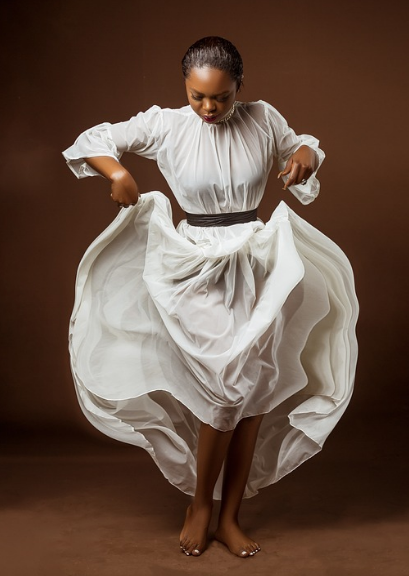
The landscape of fashion shopping has undergone a profound transformation with the advent of online retail. From the convenience of browsing through endless collections to the seamless checkout process, e-commerce has revolutionized how consumers engage with fashion. As technology continues to advance and consumer behaviors evolve, the future of online fashion shopping promises even more innovation and personalization, reshaping the industry in unprecedented ways. The Rise of Personalized Shopping Experiences One of the most significant trends shaping the future of online fashion shopping is the emphasis on personalized experiences. Technology, particularly artificial intelligence (AI) and machine learning, plays a crucial role in understanding consumer preferences and delivering tailored recommendations. Algorithms analyze vast amounts of data—from past purchases and browsing history to social media interactions—to curate personalized product suggestions. Personalization extends beyond product recommendations to include customized shopping journeys. Virtual try-on technologies allow customers to visualize how clothing fits and looks on their own bodies, enhancing confidence in purchasing decisions. Brands are investing in augmented reality (AR) and virtual reality (VR) experiences that simulate in-store shopping environments, offering immersive experiences from the comfort of home. Furthermore, brands are leveraging data analytics to personalize marketing communications. Targeted emails, personalized promotions, and exclusive offers based on consumer behavior foster deeper connections with customers. By delivering relevant content at the right time, brands enhance engagement and drive conversion rates, creating a seamless and personalized shopping experience. Innovations in Sustainability and Ethical Practices Another pivotal aspect shaping the future of online fashion shopping is the growing emphasis on sustainability and ethical practices. As consumers become more environmentally and socially conscious, they seek transparency and accountability from brands. Online retailers are responding by integrating sustainable practices throughout their supply chains, from sourcing eco-friendly materials to implementing ethical labor standards. Moreover, transparency in product information is becoming increasingly important. Consumers want to know the origins of materials, the environmental impact of production processes, and the ethical practices of brands. Online platforms are incorporating sustainability certifications and detailed product descriptions to empower consumers to make informed purchasing decisions aligned with their values. Circular fashion initiatives are also gaining momentum in online retail. Brands are exploring rental and resale models, extending the lifecycle of garments and reducing waste. Online marketplaces dedicated to pre-owned fashion items enable consumers to buy and sell gently used clothing, contributing to a more sustainable fashion ecosystem. Additionally, advancements in technology are driving innovation in sustainable fashion practices.

Four Childcare Tips Every Parent Should Know
Parenting is an incredible journey filled with joys, challenges, and endless learning opportunities. One of the most crucial aspects of parenting is providing the best possible care for your child. From infancy through childhood and beyond, every stage brings its own set of joys and hurdles. As a parent, it’s natural to look for guidance on how to navigate this journey with confidence and competence. With that in mind, here are five important and necessary childcare tips to help you become the best parent you can be. Prioritize Safety Ensuring the safety of your child is the most important thing you’ll have to do. From baby-proofing your home to teaching your child about road safety, there are numerous steps you can take to create a secure environment. Start by identifying potential hazards in your home, such as sharp objects, electrical outlets, and choking hazards. Install safety gates, cupboard locks, and corner guards to prevent accidents. Additionally, always use age-appropriate car seats and supervise your child near water. Teaching your child about personal safety, including stranger danger and appropriate boundaries, is also non-negotiable. Make their Routines Children live happily on routines, as they provide a sense of security and predictability. Establishing consistent daily routines for activities such as meals, naps, and bedtime can help regulate your child’s mood and behavior. Create a bedtime routine that includes calming activities such as reading a book or taking a bath to signal to your child that it’s time to wind down. Consistent routines not only benefit your child but also provide you with a sense of structure and control amidst the chaos of parenting. One of the best ways you can provide your child with routines is to provide them with the right childcare they need with the help of professionals. Promote Healthy Habits Promoting healthy habits from a young age sets the foundation for a lifetime of well-being. Encourage your child to eat a balanced diet rich in fruits, vegetables, whole grains, and lean proteins. Limit sugary snacks and beverages, opting for water or milk instead. Encourage regular physical activity by engaging in active play together and limiting screen time. Prioritize sufficient sleep, as adequate rest is essential for your child’s physical and cognitive development. Lead by example by modeling healthy behaviors and involving the whole family in making nutritious choices. Encourage Independence As your child grows, fostering independence becomes increasingly important. Encourage your child to take on age-appropriate tasks and responsibilities, such as dressing themselves, tidying up toys, and helping with simple chores. Allow your child to make choices within a safe and supportive framework, empowering them to develop decision-making skills and build self-confidence. Offer praise and encouragement for their efforts, even if mistakes are made along the way. By nurturing independence, you’re equipping your child with the skills they need to thrive in the world. Kids summer camps provide a great opportunity to teach independence to your child. These summer camps provide your child with different activities that teach them leadership and how to be independent.
Fashion Icons Through the Decades: Style Lessons from History’s Trends
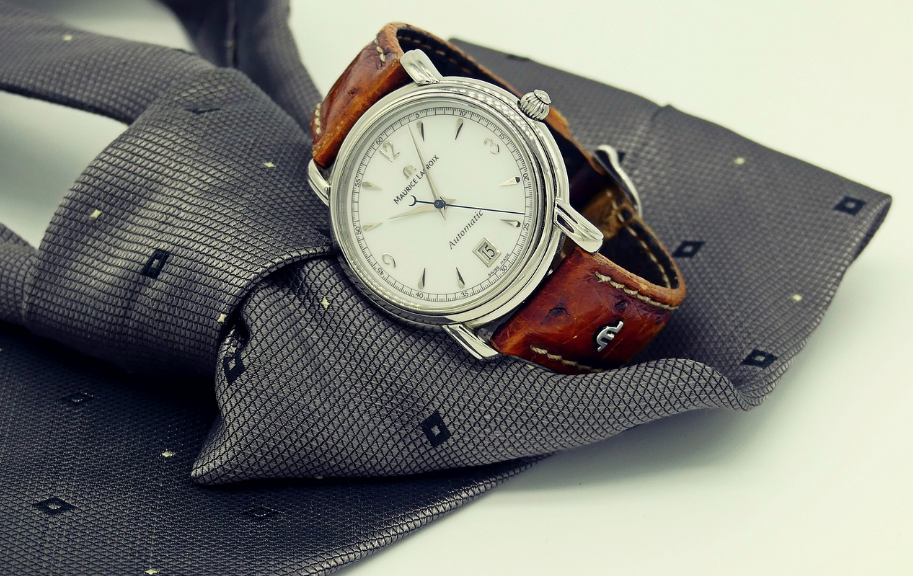
Fashion icons throughout history have left an indelible mark on the world of style, influencing trends and setting standards that resonate across generations. From the glamorous stars of old Hollywood to the avant-garde trailblazers of the modern era, these icons have not only shaped the way we dress but also imparted timeless style lessons that continue to inspire fashion enthusiasts today. One of the most iconic figures in fashion history is Audrey Hepburn, whose elegant and sophisticated style epitomized timeless chic. Emerging as a fashion icon in the 1950s and 1960s, Hepburn’s collaboration with designer Hubert de Givenchy produced some of the most iconic looks in film and fashion. Her role in “Breakfast at Tiffany’s” catapulted the little black dress into iconic status, showcasing its versatility and understated glamour. Hepburn’s style was characterized by clean lines, classic silhouettes, and a preference for neutral colors, embodying a sense of effortless elegance that transcended trends. In contrast to Hepburn’s classicism, the 1970s brought forth a new wave of fashion icons who embraced boldness and individuality. One standout figure from this era is David Bowie, whose androgynous style and fearless experimentation challenged traditional notions of gender and fashion. Bowie’s alter egos, such as Ziggy Stardust, became synonymous with avant-garde fashion and pushed the boundaries of what was considered acceptable in mainstream culture. His influence extended beyond music to fashion, where he embraced theatricality, vibrant colors, and unconventional combinations that continue to inspire designers and artists today. Moving into the 1980s, Madonna emerged as a cultural phenomenon and a style icon whose impact on fashion was as profound as her influence on music. With hits like “Like a Virgin” and “Material Girl,” Madonna defined the fashion trends of the decade with her bold, provocative style. She popularized layered jewelry, lace gloves, fishnet stockings, and the iconic cone bra, pushing boundaries and challenging norms with her fearless approach to self-expression through fashion. Madonna’s ability to reinvent herself continually throughout her career has solidified her status as a style chameleon and a true icon of pop culture. The 1990s saw the rise of supermodels who became global icons and defined the era’s fashion aesthetic. One such figure is Kate Moss, whose effortless, “grunge-meets-glamour” style captured the zeitgeist of the decade. Moss’s waifish figure and natural beauty revolutionized the fashion industry, paving the way for a more relaxed and understated approach to glamour. Her partnership with designer Calvin Klein and iconic campaigns solidified her status as a fashion icon, while her personal style—marked by slip dresses, vintage denim, and minimalist silhouettes—remains influential among contemporary designers and fashion enthusiasts alike. In the early 2000s, the influence of celebrities on fashion reached new heights with the emergence of style icons like Sarah Jessica Parker. Parker’s portrayal of Carrie Bradshaw in the hit TV series “Sex and the City” catapulted her to fashion icon status, as her character’s eclectic, fashion-forward style became a cultural touchstone. Bradshaw’s love for designer labels, statement accessories, and fearless mixing of prints and textures resonated with viewers and inspired a generation of women to embrace fashion as a form of self-expression. Today, the concept of a fashion icon has evolved to encompass a diverse range of individuals who embody authenticity, creativity, and influence in the digital age. Social media platforms have democratized fashion, allowing influencers like Chiara Ferragni and Olivia Palermo to amass global followings and shape trends through their personal style and curated content. These modern-day icons leverage their platforms to collaborate with brands, attend fashion weeks, and showcase their unique perspectives on style, blurring the lines between traditional celebrity and digital influencer. Ultimately, the enduring appeal of fashion icons lies in their ability to transcend trends and capture the imagination of audiences across generations. Whether through their bold experimentation, timeless elegance, or fearless self-expression, these icons have left an indelible mark on the world of fashion, inspiring countless individuals to embrace their own sense of style and creativity. As the fashion landscape continues to evolve, the legacy of these icons serves as a testament to the transformative power of style and its enduring influence on culture and society.
Fashion and Sustainability: Strategies for a Greener Future
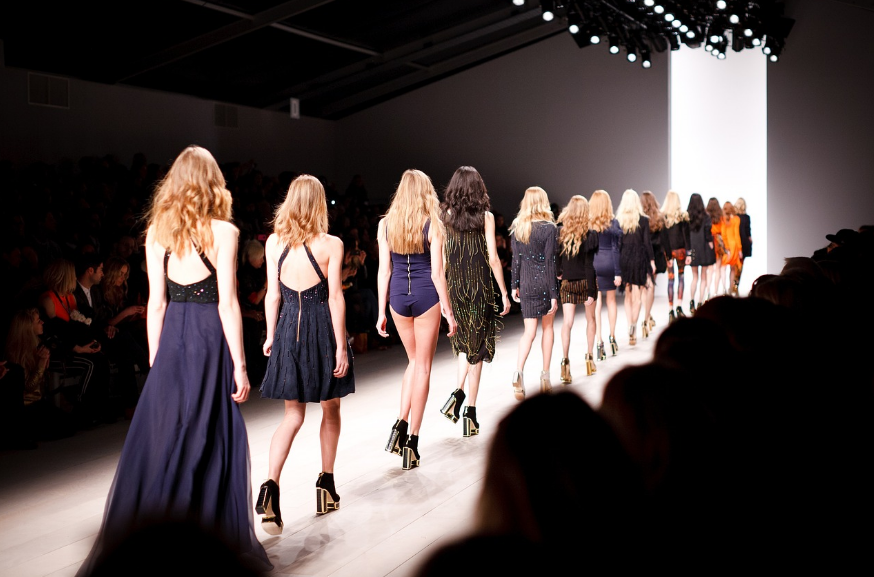
Fashion and sustainability are increasingly intertwined as the industry confronts its environmental impact and strives towards a greener future. From reducing carbon footprints to promoting ethical practices throughout the supply chain, fashion brands and consumers alike are exploring innovative strategies to mitigate environmental harm and promote sustainable practices. Sustainable Materials and Responsible Sourcing A fundamental strategy for achieving sustainability in fashion involves adopting sustainable materials and embracing responsible sourcing practices. Traditionally, the fashion industry has relied heavily on resource-intensive materials such as conventional cotton and synthetic fibers derived from petroleum. However, these materials contribute significantly to greenhouse gas emissions, water pollution, and waste. To address these challenges, brands are increasingly turning to eco-friendly alternatives such as organic cotton, hemp, bamboo, and recycled fibers. Organic cotton, for example, is grown without synthetic pesticides and fertilizers, reducing environmental impact and promoting soil health. Recycled polyester and nylon utilize post-consumer waste, such as plastic bottles and fishing nets, diverting materials from landfills and reducing the need for virgin resources. Responsible sourcing extends beyond materials to encompass ethical practices throughout the supply chain. Brands are partnering with suppliers and manufacturers committed to fair labor practices, safe working conditions, and living wages for workers. Certification programs such as Fair Trade and Global Organic Textile Standard (GOTS) provide assurance to consumers that products are produced ethically and sustainably, from raw material sourcing to final production. Circular Fashion and Extended Producer Responsibility Circular fashion represents a paradigm shift towards a regenerative and closed-loop system, where garments are designed to be reused, repaired, and recycled. The concept aims to minimize waste and maximize the lifespan of clothing, reducing the industry’s environmental footprint. Key strategies within circular fashion include: Designing for Durability and Longevity: Fashion brands are prioritizing quality craftsmanship and timeless designs that withstand trends and frequent wear. By creating durable garments, brands encourage consumers to invest in pieces that last, reducing the frequency of purchases and extending the lifecycle of clothing. Promoting Clothing Rental and Secondhand Markets: Rental platforms and resale marketplaces are gaining popularity, offering consumers access to designer clothing at a fraction of the cost. Renting reduces the demand for new production and lowers carbon emissions associated with transportation and packaging. Secondhand shopping not only extends the lifespan of garments but also promotes a more sustainable consumer behavior. Implementing Take-Back Programs and Recycling Initiatives: Brands are implementing take-back programs and recycling initiatives to facilitate the return of old garments for recycling or upcycling. Through partnerships with recycling facilities and innovative technologies, textiles can be repurposed into new fabrics or materials, closing the loop on waste and reducing environmental impact. Extended Producer Responsibility (EPR) is another critical component of circular fashion, emphasizing the responsibility of brands to manage the environmental impact of their products throughout their entire lifecycle. By taking accountability for waste management, resource efficiency, and product end-of-life, brands can minimize their ecological footprint and contribute to a more sustainable fashion industry. Driving Change Through Consumer Awareness and Education Central to the transition towards sustainable fashion is consumer awareness and education. As consumers become more informed about the environmental and social implications of their purchasing decisions, they are demanding transparency and accountability from brands. Fashion journalism, social media influencers, and advocacy organizations play crucial roles in educating consumers about sustainable fashion practices and promoting conscious consumption habits. Additionally, initiatives such as Fashion Revolution Week and Sustainable Fashion Day raise awareness about the environmental and social impacts of the fashion industry. These campaigns encourage consumers to ask #WhoMadeMyClothes and advocate for greater transparency in supply chains, empowering them to make ethical purchasing decisions that align with their values. By fostering a culture of sustainability and accountability, fashion brands and consumers can collaborate to drive meaningful change towards a greener future. From embracing sustainable materials and responsible sourcing to adopting circular fashion principles and promoting consumer awareness, the fashion industry has the opportunity to lead by example and inspire positive environmental stewardship. Together, stakeholders can work towards a more sustainable and equitable fashion ecosystem that prioritizes the well-being of people and the planet for generations to come.

Fashion Journalism in the Digital Age: Navigating New Media
Fashion journalism has undergone a profound transformation in the digital age, reshaping how trends are reported, brands are covered, and consumer engagement is fostered. As traditional print media evolves alongside the rapid growth of online platforms and social media, fashion journalists are navigating a landscape that demands adaptability, innovation, and a keen understanding of digital communication strategies. The Shift Towards Digital Platforms: Expanding Reach and Accessibility In the digital age, fashion journalism has expanded beyond the confines of traditional print publications to encompass a diverse array of online platforms. Fashion blogs, digital magazines, social media channels, and multimedia websites now serve as primary outlets for reporting on trends, reviewing collections, and providing style inspiration. This shift has democratized access to fashion information, allowing consumers worldwide to engage with industry news and insights in real-time. Digital platforms offer immediacy and interactivity, enabling fashion journalists to publish breaking news, live coverage of runway shows, and in-depth analysis of fashion trends with unprecedented speed. Social media platforms such as Instagram, Twitter, and TikTok have emerged as powerful tools for sharing visual content, connecting with audiences, and amplifying fashion journalism’s influence. Adapting to Changing Reader Preferences and Consumption Habits As consumer behavior shifts towards digital consumption, fashion journalists must adapt their storytelling techniques to captivate and retain online audiences. Visual storytelling through high-quality images, videos, and infographics has become essential for engaging readers and conveying fashion narratives effectively. Multimedia formats allow journalists to convey the atmosphere of fashion events, showcase designer collections, and explore the cultural significance of fashion trends in dynamic ways. Moreover, the rise of mobile technology has transformed how audiences consume fashion journalism. Mobile-responsive websites and apps enable readers to access content anytime, anywhere, enhancing the accessibility and immediacy of fashion news and insights. Journalists must optimize content for mobile devices, ensuring seamless navigation and engaging user experiences that cater to the preferences of digital-savvy audiences. Navigating Ethical Challenges and Maintaining Credibility While digital platforms offer unprecedented opportunities for fashion journalists to reach global audiences, they also present ethical challenges related to transparency, integrity, and brand partnerships. Native advertising and sponsored content have become common practices, blurring the line between editorial content and paid promotions. Journalists must uphold journalistic integrity by clearly disclosing sponsored collaborations and maintaining editorial independence in their reporting. Navigating the influence of social media influencers and bloggers poses another ethical consideration for fashion journalists. Collaborations between brands and influencers can shape consumer perceptions and drive purchasing decisions, influencing the editorial landscape. Journalists must critically assess the authenticity and credibility of digital influencers’ endorsements, ensuring that their reporting remains unbiased and objective. Maintaining credibility in the digital age requires transparency in sourcing, fact-checking, and attributing information. Journalists must uphold rigorous standards of accuracy and accountability to build trust with readers and differentiate their content from misinformation and clickbait. By prioritizing ethical journalism practices, fashion journalists can preserve credibility and uphold the integrity of their profession amidst the rapid evolution of digital media. Embracing Innovation and Future Trends Looking ahead, the future of fashion journalism in the digital age promises continued innovation and evolution. Emerging technologies such as augmented reality (AR), virtual reality (VR), and artificial intelligence (AI) are poised to revolutionize how fashion stories are told and experienced. AR-enabled virtual fitting rooms, immersive VR runway experiences, and AI-driven content personalization represent exciting opportunities for journalists to engage audiences in new and innovative ways. Additionally, the growing emphasis on sustainability and ethical fashion presents opportunities for fashion journalists to drive meaningful conversations and advocate for industry-wide change. Reporting on sustainable practices, circular fashion initiatives, and ethical sourcing can educate consumers and empower them to make informed purchasing decisions that align with their values. In conclusion, fashion journalism in the digital age is defined by its adaptability, innovation, and commitment to ethical storytelling. By embracing digital platforms, leveraging multimedia storytelling techniques, and upholding journalistic integrity, fashion journalists can navigate the evolving media landscape and engage global audiences with compelling fashion narratives. As technology continues to evolve and consumer preferences shift, journalists must remain agile, proactive, and forward-thinking in their approach to reporting on the dynamic and ever-evolving world of fashion.

Beyond Beauty: The Role of Diversity in Fashion Advertising
In recent years, the fashion industry has experienced a significant shift towards embracing diversity in its advertising campaigns. Beyond merely showcasing clothing and accessories, fashion advertising has increasingly become a platform for promoting inclusivity, celebrating individuality, and challenging traditional beauty standards. This evolution reflects a broader societal change where consumers demand representation and authenticity in the media they consume. Here, we explore the multifaceted role of diversity in fashion advertising and its impact on both the industry and society at large. Representation Matters: Reflecting Real-World Diversity One of the most profound impacts of diversity in fashion advertising is its ability to mirror the diversity found in society. Historically, fashion advertising has often been criticized for its lack of inclusivity, predominantly featuring models who fit a narrow definition of beauty—typically young, thin, and predominantly white. This limited representation not only alienated many consumers but also perpetuated unrealistic beauty ideals. Today, however, there is a growing recognition that diversity in advertising is not just about ticking boxes but about authentically representing the diverse identities and experiences of consumers. Brands are increasingly casting models of various ethnicities, body shapes, ages, genders, and abilities to better reflect the reality of their customer base. This inclusive approach not only enhances brand credibility but also fosters a sense of belonging and empowerment among diverse communities. By showcasing individuals from different backgrounds and walks of life, fashion advertising challenges stereotypes and broadens perceptions of beauty. It sends a powerful message that beauty comes in all shapes, sizes, colors, and abilities, encouraging consumers to embrace their own unique traits and celebrate diversity in others. This shift towards inclusive representation is not only socially responsible but also strategically beneficial, as brands that authentically embrace diversity are often perceived as more progressive and forward-thinking. Driving Cultural Change: Promoting Empowerment and Inclusivity Beyond reflecting diversity, fashion advertising has the power to drive cultural change and promote social issues. Campaigns that celebrate diversity often go beyond showcasing products to advocate for social justice, gender equality, and LGBTQ+ rights, among other causes. By aligning themselves with meaningful social issues, brands can build stronger emotional connections with consumers who share their values and beliefs. For example, campaigns featuring models of different ethnicities and body types can challenge societal norms and promote body positivity. By showcasing individuals with disabilities or chronic illnesses, brands can advocate for inclusivity and accessibility in fashion. Campaigns that celebrate gender fluidity and non-binary identities contribute to greater visibility and acceptance within the fashion industry and society as a whole. Moreover, diverse representation in fashion advertising can have a profound impact on self-esteem and mental health. Seeing individuals who look like them represented positively in media can empower individuals from marginalized communities and boost their self-confidence. It sends a message that their identities and experiences are valued and worthy of recognition, contributing to a more inclusive and equitable society. Challenges and Opportunities for the Fashion Industry While progress has been made, the fashion industry still faces challenges in achieving true diversity and inclusivity in advertising. Critics argue that some brands engage in tokenism—superficially including diversity without addressing systemic issues or fostering genuine inclusivity. Others point out the need for greater diversity behind the scenes, including in creative and decision-making roles, to ensure that diverse perspectives are authentically represented in advertising campaigns. However, these challenges also present opportunities for innovation and leadership within the industry. Brands that prioritize diversity and inclusivity not only enhance their brand reputation but also tap into a growing market of diverse consumers who seek authenticity and representation. By investing in inclusive advertising campaigns and diverse talent pipelines, fashion brands can set new standards for inclusivity and contribute to positive social change. In conclusion, diversity in fashion advertising is more than a trend—it is a powerful catalyst for cultural change, empowerment, and inclusivity. By authentically representing the diverse identities and experiences of consumers, fashion brands can challenge stereotypes, promote acceptance, and drive meaningful social impact. As the industry continues to evolve, embracing diversity in advertising not only reflects changing societal values but also positions brands as leaders in promoting authenticity, representation, and equality. By celebrating diversity beyond beauty, fashion advertising has the potential to shape a more inclusive and equitable future for all.

The Evolution of Sustainable Fashion: Trends for the Next Decade
In recent years, the fashion industry has undergone a significant transformation, driven by an increasing awareness of environmental and social issues. This evolution towards sustainability has been propelled by consumer demand for ethically produced clothing and accessories, as well as by regulatory pressures and the efforts of forward-thinking brands to adopt more eco-friendly practices. As we look ahead to the next decade, several key trends are likely to shape the future of sustainable fashion. One of the most prominent trends in sustainable fashion is the shift towards circularity. Traditional fashion production has long been characterized by a linear model, where raw materials are extracted, processed into garments, and eventually discarded as waste. In contrast, a circular economy aims to eliminate waste and keep products and materials in use for as long as possible. This concept is gaining traction within the industry, with brands exploring innovative ways to design products that can be easily disassembled and recycled at the end of their life cycle. For example, some companies are experimenting with biodegradable textiles or exploring new methods of garment recycling to reduce their environmental footprint. Another key trend in sustainable fashion is the emphasis on transparency and ethical sourcing. Consumers are increasingly interested in knowing where and how their clothes are made, and they are demanding greater transparency from brands about their supply chains. This has led to a rise in certifications and labeling schemes that verify the sustainability credentials of products, such as organic certification or fair trade labels. Additionally, some companies are embracing blockchain technology as a way to provide consumers with real-time information about the origins of their clothing, ensuring that garments are produced under ethical working conditions and using environmentally friendly practices. Collaboration and innovation are also shaping the future of sustainable fashion. As the industry grapples with complex challenges such as water scarcity, pollution, and waste management, collaboration between stakeholders is becoming increasingly important. This includes partnerships between brands, suppliers, governments, and non-profit organizations to develop new solutions and share best practices. Innovation in materials and manufacturing processes is also critical, with companies investing in research and development to create sustainable alternatives to conventional textiles and chemicals. For example, advancements in bio-based materials and closed-loop manufacturing techniques are paving the way for a more sustainable fashion industry. The concept of “slow fashion” is gaining momentum as a counterpoint to fast fashion. Fast fashion, characterized by rapid production cycles and low-cost garments, has been criticized for its negative impact on the environment and labor conditions. In contrast, slow fashion promotes a more thoughtful and deliberate approach to consumption, encouraging consumers to buy less and invest in high-quality pieces that are designed to last. This trend towards mindful consumption is supported by a growing awareness of the true cost of fashion, including its social and environmental implications. In addition to these trends, the role of consumers in driving change within the fashion industry cannot be overstated. As awareness of sustainability issues continues to grow, consumers are becoming more informed and empowered to make environmentally conscious choices. This has led to a rise in demand for sustainable alternatives and a shift towards more responsible consumption habits. Brands that prioritize transparency, ethical production, and environmental stewardship are increasingly gaining favor with consumers who are seeking to align their values with their purchasing decisions. Looking ahead to the next decade, the evolution of sustainable fashion is likely to be characterized by continued innovation, collaboration, and a commitment to transparency and ethical practices. As stakeholders across the industry work together to address environmental and social challenges, the fashion industry has the opportunity to redefine itself in a way that is both stylish and sustainable. By embracing these trends and harnessing the power of consumer demand, the fashion industry can pave the way for a more sustainable future. In conclusion, the evolution of sustainable fashion over the next decade will be driven by a commitment to circularity, transparency, collaboration, and innovation. As consumers increasingly prioritize ethical and environmentally friendly products, the fashion industry has an opportunity to lead the way towards a more sustainable future. By embracing these trends and working together to overcome challenges, stakeholders across the industry can create a fashion ecosystem that is both stylish and sustainable for generations to come.
The Rise of Gender-Neutral Fashion: Redefining Traditional Norms
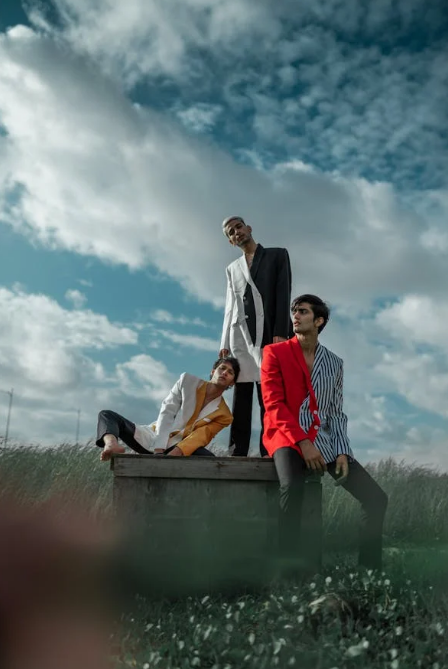
In recent years, there has been a noticeable cultural shift towards embracing gender-neutral fashion as a means of redefining traditional norms and promoting inclusivity within the clothing industry. This movement challenges the binary distinctions of male and female attire, advocating for garments that transcend gender and allow individuals to express themselves authentically without conforming to societal expectations. As gender identity becomes increasingly recognized as fluid and diverse, gender-neutral fashion emerges as a progressive force reshaping the landscape of style and self-expression. Breaking Down Binary Barriers: The Evolution of Gender-Neutral Fashion Gender-neutral fashion, also known as unisex or genderless fashion, encompasses clothing designs and styles that are not explicitly aligned with a specific gender. While historically fashion has been segregated into distinct men’s and women’s categories, often characterized by rigid norms and stereotypes, gender-neutral fashion seeks to blur these boundaries. It embraces versatility and inclusivity, offering garments that can be worn by individuals of any gender identity. The evolution of gender-neutral fashion can be traced back to movements advocating for gender equality and LGBTQ+ rights. As society becomes more accepting and understanding of diverse gender identities, there is a growing demand for clothing that reflects and respects this diversity. Designers and brands are responding by creating collections that prioritize comfort, fit, and aesthetic appeal over traditional gender norms. Design Philosophy and Aesthetic Appeal Central to the ethos of gender-neutral fashion is a design philosophy that emphasizes simplicity, minimalism, and functionality. Garments often feature clean lines, neutral colors, and timeless silhouettes that appeal to a broad spectrum of wearers. Key pieces include oversized shirts, tailored trousers, relaxed-fit blazers, and versatile outerwear—all designed to be worn interchangeably by individuals regardless of their gender expression. The aesthetic appeal of gender-neutral fashion lies in its ability to transcend fleeting trends and focus on enduring style. By prioritizing quality craftsmanship and versatile designs, gender-neutral clothing encourages consumers to invest in pieces that can be worn across seasons and occasions, reducing the need for frequent wardrobe updates. This sustainable approach not only aligns with ethical fashion practices but also appeals to eco-conscious consumers seeking longevity and value in their clothing choices. Cultural Impact and Social Significance Beyond the realm of fashion, gender-neutral clothing holds profound cultural and social significance. It challenges entrenched gender stereotypes and norms, promoting a more inclusive and equitable society where individuals are free to express themselves authentically. By embracing gender-neutral fashion, consumers can reject outdated notions of masculinity and femininity imposed by societal expectations, paving the way for greater acceptance and understanding of diverse gender identities. Moreover, gender-neutral fashion intersects with broader conversations about identity, representation, and empowerment. It provides a platform for individuals to assert their identity beyond the confines of gender binaries, fostering a sense of belonging and visibility within the fashion industry and beyond. Retailers and brands that champion gender-neutral clothing contribute to a more diverse and progressive cultural landscape, where personal style becomes a form of self-expression and empowerment. Challenges and Future Directions While the rise of gender-neutral fashion represents a positive step towards inclusivity and diversity, the movement is not without its challenges. Critics argue that mainstream adoption of gender-neutral clothing remains limited, with many retailers and designers hesitant to fully embrace non-binary fashion due to perceived market risks or lack of understanding. Additionally, sizing and fit issues can pose barriers for individuals seeking gender-neutral options that accommodate diverse body shapes and proportions. However, these challenges also present opportunities for innovation and growth within the fashion industry. As consumer demand for gender-neutral clothing continues to rise, brands have the chance to lead by example, expanding their offerings and advocating for greater inclusivity in design and marketing practices. Education and awareness campaigns can also play a crucial role in dismantling misconceptions and promoting acceptance of gender diversity in fashion. Looking ahead, the future of gender-neutral fashion holds promise as a catalyst for social change and creative expression. By embracing diversity in design, representation, and marketing, the fashion industry can foster a more inclusive and equitable environment where individuals of all genders feel valued and respected. As attitudes towards gender continue to evolve, gender-neutral fashion stands at the forefront of redefining traditional norms and paving the way towards a more progressive and inclusive future.
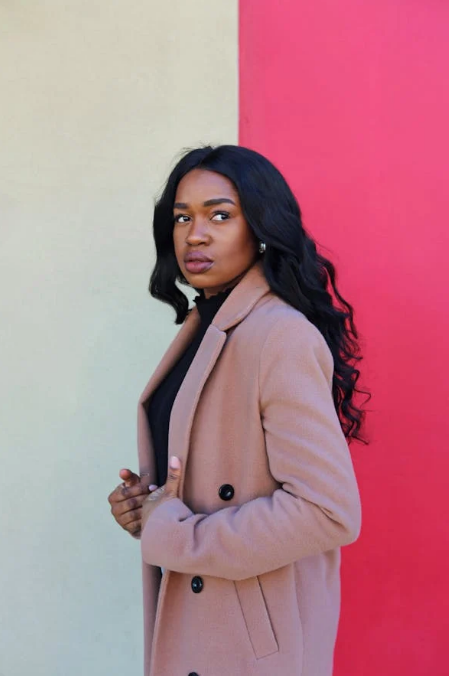
From Runway to Street: How High Fashion Influences Everyday Style
Fashion has long been a dynamic force, influencing not only the clothes we wear but also the way we express ourselves and interact with the world around us. High fashion, particularly showcased on runways by renowned designers, plays a crucial role in shaping trends that eventually trickle down to everyday style. This phenomenon highlights the intricate relationship between haute couture and street fashion, illustrating how ideas conceived in the rarefied atmosphere of high-end fashion houses find their way into the closets of everyday individuals. At its core, high fashion serves as a laboratory of creativity and innovation. Designers use runway shows not only to showcase their latest collections but also to push the boundaries of fashion itself. These collections often feature avant-garde designs, unconventional materials, and experimental silhouettes that capture the imagination of fashion enthusiasts and industry insiders alike. While some runway looks may seem impractical or outlandish at first glance, they serve a vital purpose in setting the tone for future trends. One way in which high fashion influences everyday style is through the reinterpretation of runway trends by mainstream retailers and brands. As runway collections are unveiled each season, fashion editors and trend forecasters meticulously analyze the key themes, colors, and silhouettes that emerge. These insights are then translated into more accessible and commercially viable designs that are produced on a larger scale. Fast fashion retailers, in particular, excel at quickly adapting runway trends into affordable clothing and accessories that appeal to a broader audience. For example, if a designer introduces a new color palette or a distinctive print in their runway collection, similar hues and patterns may soon appear in mass-market clothing lines found in stores worldwide. This process of trend diffusion allows individuals to incorporate elements of high fashion into their everyday wardrobes, whether through statement pieces like bold coats or accessories like handbags and shoes that reflect current runway trends. Moreover, high fashion shapes everyday style through its influence on cultural and societal trends. Runway shows often serve as a platform for designers to make statements about broader social issues, celebrate diversity, or challenge traditional notions of beauty. These messages resonate beyond the fashion industry, influencing public discourse and shaping cultural attitudes. For instance, a runway collection that celebrates inclusivity by featuring models of different ages, sizes, and backgrounds can inspire a more diverse representation of beauty in mainstream media and everyday fashion choices. Furthermore, high fashion sets aspirational standards that individuals may strive to emulate in their personal style. While not everyone can afford couture garments or designer labels, the aesthetic ideals and craftsmanship associated with high fashion can inspire individuals to experiment with their style and invest in quality pieces that reflect their tastes and values. This aspirational aspect of high fashion encourages creativity and self-expression, as individuals interpret runway trends in ways that align with their unique identities and lifestyles. The influence of high fashion on everyday style is also evident in the realm of street fashion and subcultures. Street style photographers capture the eclectic and often boundary-pushing outfits worn by fashion influencers, celebrities, and everyday individuals outside of fashion shows. These street style images circulate widely on social media platforms, where they can reach millions of viewers and inspire trends in real-time. In this way, street fashion serves as a barometer of cultural zeitgeist, reflecting how high fashion permeates everyday life and influences global style trends. In conclusion, the relationship between high fashion and everyday style is complex and symbiotic, with each influencing and inspiring the other in myriad ways. While haute couture collections set the stage for innovation and creativity in fashion design, everyday individuals play a crucial role in interpreting and personalizing these trends to suit their own tastes and lifestyles. As the fashion industry continues to evolve, the interplay between high fashion and everyday style will likely remain a dynamic force, shaping trends and influencing cultural attitudes for years to come.